
Accessibility Tools
All our services are based on sound research that demonstrates and supports the need and usefulness of our services and work. Each of our services has research behind it to demonstrate what we do and why we do it.
We lead and collaborate on research that amplifies the voices of disabled people, shaping local and national understanding, policy, and practice.
Our work focuses on rights, inclusion, and lived experience – producing evidence that informs decisions, empowers communities, and strengthens the Disabled People’s Organisation (DPO) sector across Cornwall and the UK.
Through every piece of research, we’re preserving our shared history, highlighting the experiences that matter, and driving change that leads to a fairer, more inclusive society
All our services are based on sound research that demonstrates and supports the need and usefulness of our services and work. Each of our services has research behind it to demonstrate what we do and why we do it.
This interactive national map brings together data on Disabled People’s Organisations (DPOs) from across the UK. It highlights where DPOs are based, who they serve, and the diversity of their work, providing a clearer picture of our movement’s reach and impact.
Explore the map and see how DPOs are driving change across the country.
You can interact with the map by moving it around and zooming in or out to look at the areas in which you are interested. By clicking on an icon on the map you will find a variety of data about each DPO, such as their:
There are four colours for the flags as follows:
This report examines the current health of the DPO sector, from funding challenges and partnerships to post-pandemic recovery and resilience.
It provides valuable insights into how user-led organisations are sustaining their missions while navigating social, economic, and structural change.
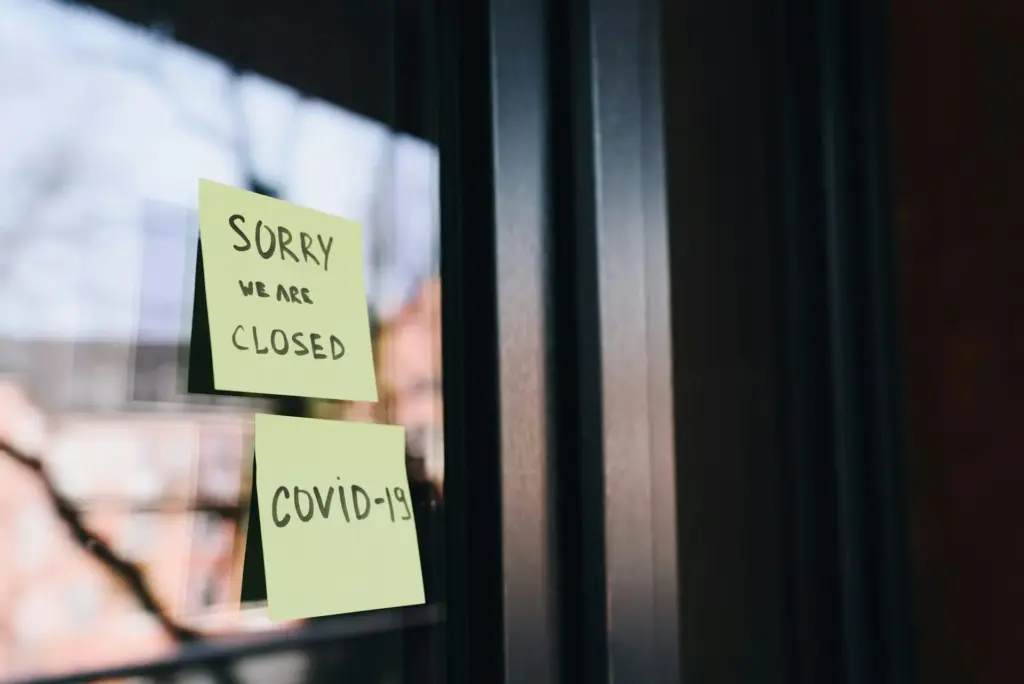
Funded by The National Lottery ‘Leaders with Lived Experience’ programme, this two-year national research project explored how DPOs supported communities during the Covid-19 pandemic.
The research captured how organisations adapted, connected with peers, and shaped local responses to crisis. It included peer-led learning sessions and themed virtual events that gave DPOs space to share solutions and support one another.
Funded by The National Lottery ‘Leaders with Lived Experience’ programme, this two-year national research project explored how DPOs supported communities during the Covid-19 pandemic.
The research captured how organisations adapted, connected with peers, and shaped local responses to crisis. It included peer-led learning sessions and themed virtual events that gave DPOs space to share solutions and support one another.
This national study explored how the pandemic changed the way DPOs operate, from funding and staffing to peer collaboration. The findings highlight the innovation, resilience, and community strength of user-led organisations during a time of unprecedented challenge.
This research examined the local impact of the pandemic on disabled people’s lives in Cornwall, identifying barriers to access, changes in wellbeing, and the importance of inclusive public health responses.
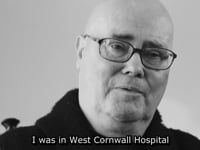
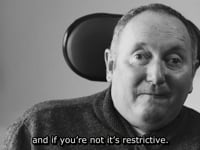
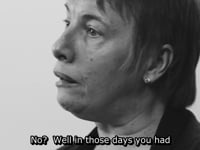
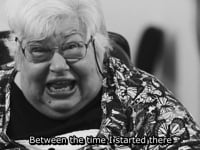
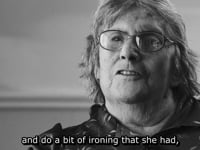
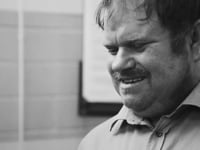
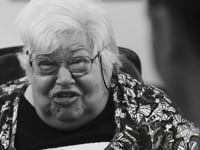
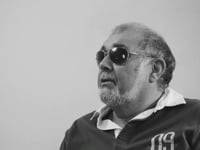
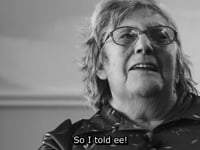
Funded by the Heritage Lottery Fund, this oral history project captured the stories and experiences of disabled people in Cornwall over time. Through filmed interviews, participants shared their journeys, achievements, and reflections on how life has changed for disabled people.
These interviews are now archived at the Cornwall Record Office and the Cornwall Audio Visual Archive, preserving this vital history for future generations.
Bringing together DPOs from across the UK, our 2022 conference explored the future of disability rights and leadership. Speakers from national and international organisations shared insights on equality, resilience, and post-pandemic recovery, strengthening collaboration across the movement.
We welcome partnerships with universities, researchers, and organisations that share our commitment to equality, inclusion, and lived experience.
If you’d like to collaborate or learn more about our research, please get in touch.